
Blepharitis Treatment in Cheshire | Specialist Eyelid & Dry Eye Care
Blepharitis treatment at The Eye Clinic, Kelsall Surgical Centre, Cheshire.
Blepharitis (inflammation of the eyelid margin) is a common chronic condition affecting many patients. Our Ophthalmologists are ocular surface specialists providing a comprehensive, modern approach to diagnosis, treatment, and long-term management of blepharitis and related eyelid diseases.
We combine evidence-based therapies, advanced diagnostics, and personalised care to address the root causes of eyelid inflammation and deliver sustained relief.
What is Blepharitis?
Blepharitis is chronic inflammation of the eyelid margins (the eyelid rims where your eyelashes grow).
It can affect the anterior portion (where eyelashes attach) or the posterior portion (meibomian glands that produce oils), or both.
Common symptoms include:
Itchy, burning, gritty or sore eyes
Red, swollen eyelid margins
Flakes, crusting or debris around the eyelashes
Eyelids sticking together or matting in the morning
Blurred vision, sensitivity to light
Frequent blinking, tearing, or dry eye symptoms
Because it is often persistent and recurring, an ongoing management plan is needed for many patients.

Why Treat Blepharitis?
Untreated or under-managed blepharitis can lead to:
Meibomian Gland Dysfunction (MGD) and worsening dry eye
Recurrent styes or chalazia
Corneal irritation or superficial damage
Chronic discomfort, disruption to daily life
Impact on contact lens wear, eye makeup use, or surgery outcomes
It’s not just cosmetic — it’s about restoring ocular surface health and comfort.
Our Diagnostic Process
At The Eye Clinic at Kelsall Surgical Centre, we use a thorough, multi-step evaluation to understand your blepharitis and tailor the right treatment plan, which may include:
Detailed history & symptom consultation
Slit-lamp examination to visualise eyelid margins, signs of inflammation
Tear film evaluation
Fluorescein staining to check for ocular surface / cornea damage
From this, we generate a personalised report and treatment plan tailored to your eyelid type, severity, and needs.
Treatment Options We Provide
We don’t believe in “one size fits all.” Our approach is modular, combining therapies as needed to achieve optimal outcomes:
Lid Hygiene & Home Regimen
Warm compresses, lid massage
Eyelid scrubs / wipes (e.g. antimicrobial / demodex formulations)
Education on technique and compliance
Medical / Pharmaceutical Adjuncts
Topical antibiotic/steroid/anti-inflammatory drops or ointments
Oral antibiotics where indicated
Adjunct supportive therapies (artificial tears, anti-inflammatory supplements)
Maintenance & Recall Program
Periodic monitoring, support and adjustment of home and medical regimen
We will monitor your progress and adapt your plan over time to maintain long-term relief.
Why Choose Us?
Choose us and feel great about your eye health.

Trusted Local Care
Always performed by experienced ophthalmologists.
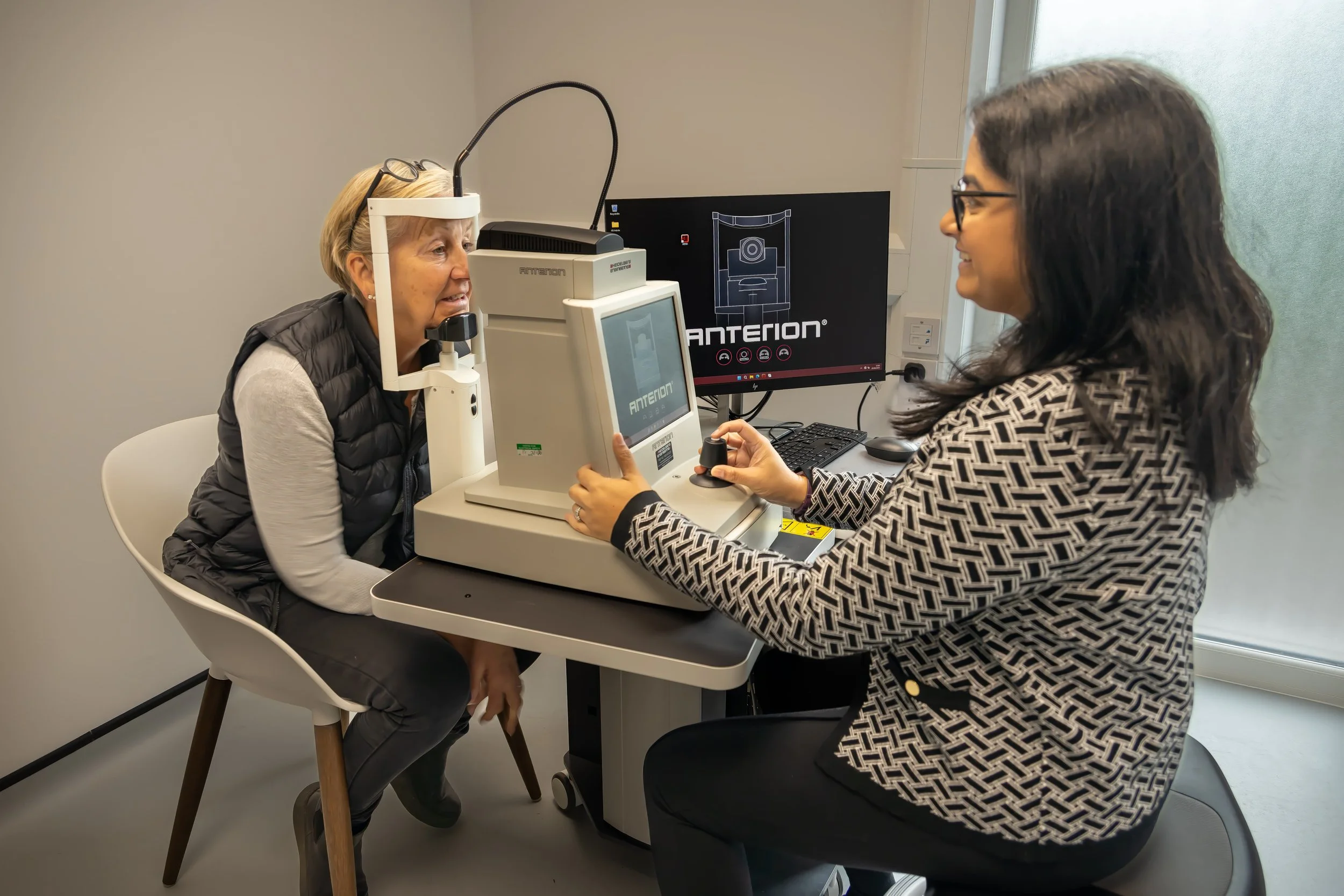
Advanced Diagnostics
Latest equipment for precise images and measurements.
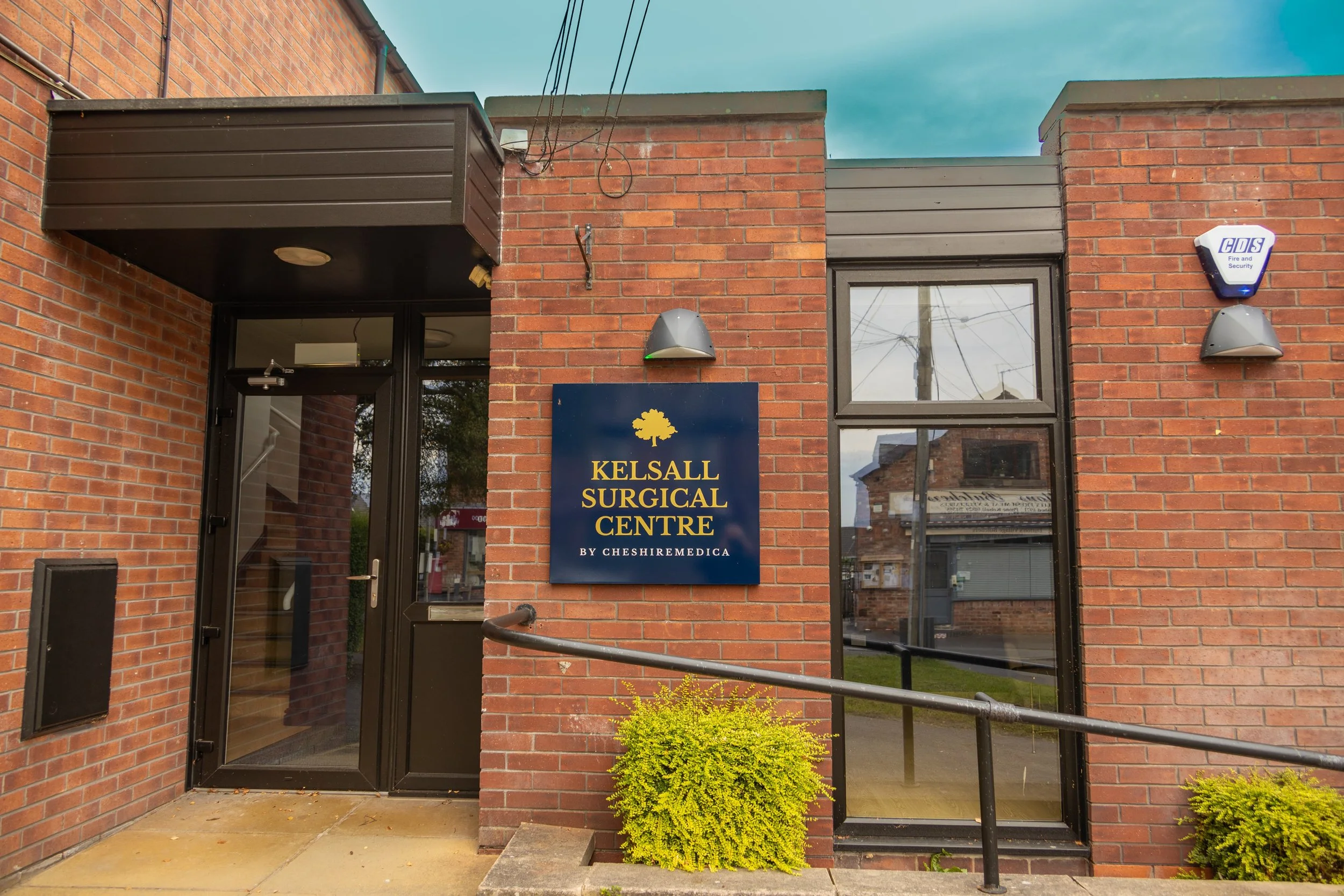
Calm, Modern Clinic
Comfortable, local surgical setting.

Personalised Approach
Tailored to your vision and lifestyle needs.
View Our Prices
Frequently Asked Questions (FAQ)
Q: Can blepharitis be cured?
A: Blepharitis is typically a chronic condition, not fully “curable.” But with proper treatment and maintenance, symptoms can often be minimised and flare-ups controlled.
Q: How soon will I feel better?
A: Many patients note symptom relief (less crusting, burning) within days to weeks, especially after following the prescribed treatment plan. But full improvement may take several weeks, depending on severity.
Q: How often do I need follow-ups?
A: Usually follow-ups are scheduled at 2–4 weeks initially, then every 3–6 months depending on severity and response.
Q: Can I wear contact lenses / makeup during treatment?
A: During active flare-ups, we typically advise pausing lens wear and makeup use. Once stabilised, many patients can resume under supervision.