The Eye Clinic at Kelsall Surgical Centre
Private cataract surgery in Cheshire
Is cloudy vision making reading or driving harder? At Kelsall Surgical Centre, near Chester, your consultant will assess your eyes and explain which lens options suit your vision and daily life.
Consultant-led cataract surgery near Chester
A cataract is clouding of the eye’s natural lens. It can blur vision, make bright lights seem dazzling and make night driving harder. Cataract surgery replaces the cloudy lens with a clear artificial lens, also called an intraocular lens (IOL).
You can book a private consultation directly. Your consultant will check whether cataract is causing your symptoms, how other eye conditions may affect your vision and whether surgery is likely to help. Assessment and surgery take place at our Kelsall clinic, with on-site diagnostics and a dedicated surgical suite.
Private cataract surgery prices
| Appointment or treatment | Price |
|---|---|
| New consultant consultation | £220 |
| Standard monofocal surgery, per eye | From £2,495 |
| Premium lens surgery, per eye | From £2,795 |
The consultation is charged separately. Surgery prices include the agreed lens, local anaesthetic surgery and follow-up care within your treatment package. Your written quote confirms the final price and what is included before you decide.
Cataract lens options
Your consultant will use your eye measurements, eye health and the tasks you most want to do without glasses to discuss a suitable lens. You may still need glasses with any implant.
Monofocal lenses
From £2,495 per eye
Focus at one main distance, often far away. If you choose distance focus, you will usually need glasses for reading or other close work.
Toric lenses
From £2,995 per eye
Reduce suitable corneal astigmatism. Toric correction can be built into different lens designs. The design and target focus affect which tasks may still need glasses.
EDOF and multifocal lenses
From £2,795 per eye
Extended depth of focus (EDOF) and multifocal lenses work differently. Both aim to reduce reliance on glasses across a wider range. Discuss possible glare, halos and when you may still need glasses.
Suitability depends on your eyes. Your consultant will explain the likely result, trade-offs and full cost for the lens they recommend.
No cataract, but want to rely less on glasses?
Refractive lens exchange (RLE) uses the same lens replacement technique as cataract surgery. Its aim is to reduce reliance on glasses or contact lenses in suitable people.
Your consultant will discuss how your prescription and eye health affect suitability, what alternatives are available and what you might still need glasses for.
Why have cataract surgery at Kelsall?
Consultant-led decisions
Your ophthalmologist examines your eyes, explains how much of your visual difficulty is due to cataract and discusses what surgery could achieve.
On-site measurements
Diagnostic imaging and eye measurements help your surgeon calculate the implant power and plan your operation.
Lens choices explained
Discuss the benefits and trade-offs of each suitable lens, including night driving, close work and when you may still want glasses.
A dedicated surgical suite
Assessment and surgery take place at our Kelsall clinic. Your team explains your aftercare and follow-up before treatment.
Meet Our Cataract Surgeons
-
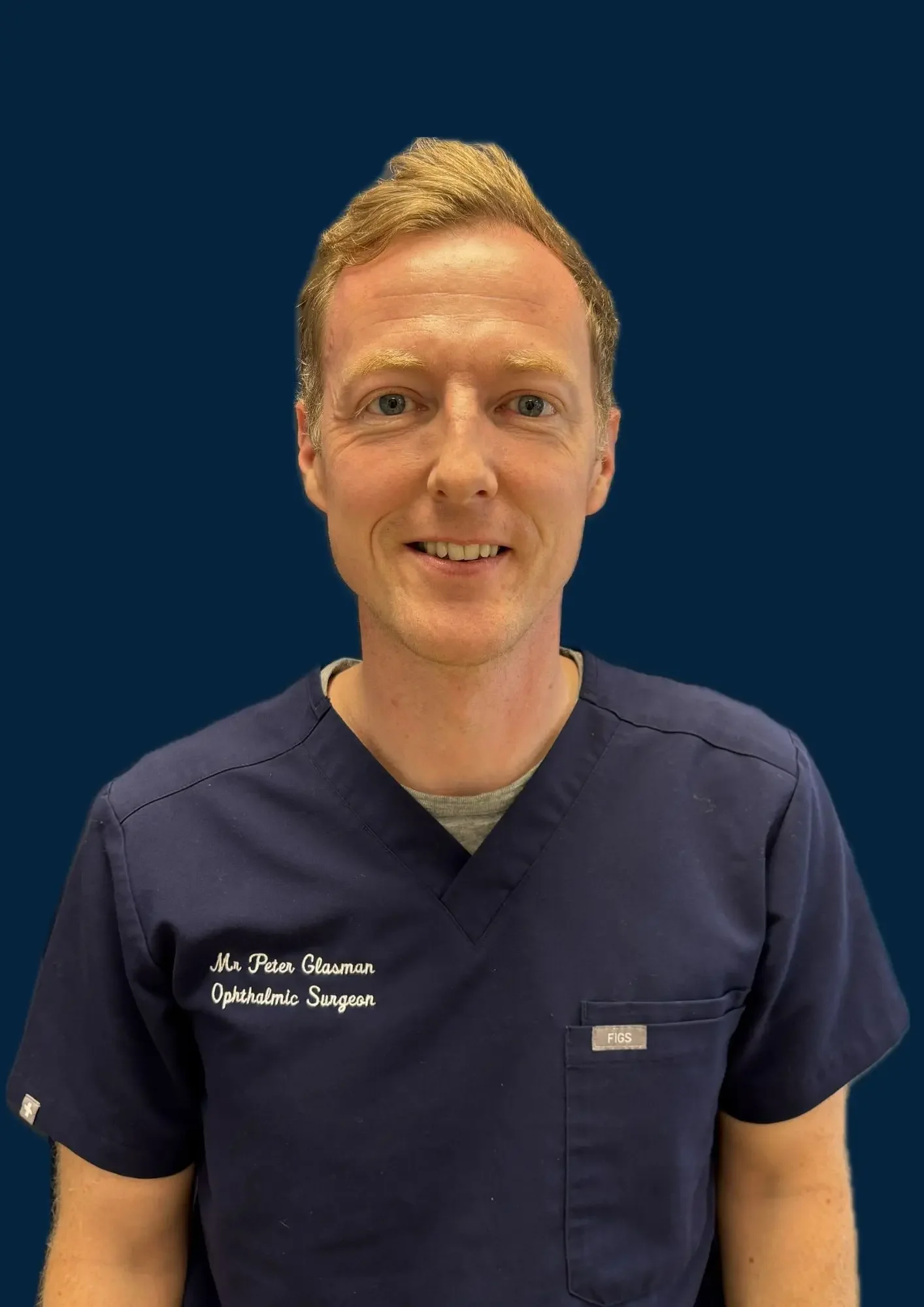
Mr Peter Glasman
CONSULTANT OPHTHALMOLOGIST
Oculoplastics, Aesthetics, Cataract, General Ophthalmology -
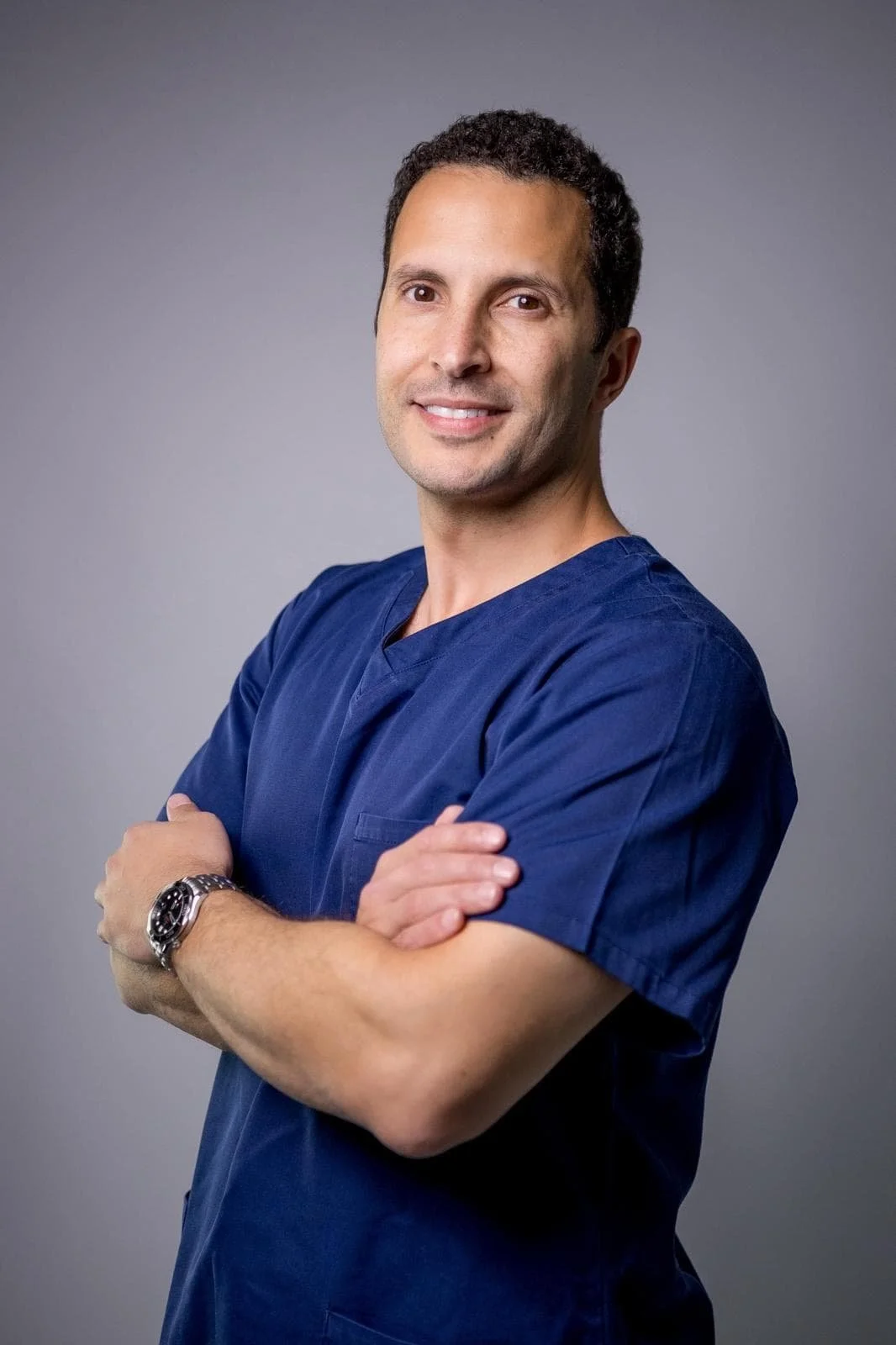
Mr Ziyaad Sultan
CONSULTANT OPHTHALMOLOGIST
Oculoplastics, Aesthetics, Cataract, General Ophthalmology -

Ms. Neeru A. Vallabh
CONSULTANT OPHTHALMOLOGIST
MBBS, FRCOphth, PhD, FEBOS-GL
Glaucoma & Cataract Surgery -

Ms Nardine Menassa
CONSULTANT OPHTHALMOLOGIST
FRCOphth · MD (Heidelberg)
Cornea, Cataract Surgery, Dry eye, YAG LaserLEARN MORE >
-

Mr Kashif Ali
CONSULTANT OPHTHALMOLOGIST
MBBS, MCPS, MRCOphth, FCPS, FRCSEd
Cataract surgery (including premium lenses), Cornea, Eyelids & Retinal conditions.
Testimonials
-
"Outstanding care from all the team involved. Mr Sultan talked through procedure and during the cataract surgery which really helped me to be relaxed. Would highly recommend."
⭐⭐⭐⭐⭐
—DS
Your cataract surgery journey
1. Assessment and planning
Your consultant examines your eyes and discusses your symptoms, medical history and visual goals. Scans and measurements help plan the implant. Your team explains your options, risks and treatment costs.
2. Your operation
Cataract surgery is usually a day procedure under local anaesthetic. Your surgeon removes the cloudy lens and inserts the selected implant. Allow several hours for preparation, surgery and recovery.
3. Recovery and follow-up
Before you go home, your team explains how to use your drops, protect your eye and get urgent advice. They will tell you when follow-up is needed.
Plan your lift home. Do not drive yourself after surgery or while dilating drops are affecting your vision. Follow the preparation instructions supplied for your appointment.
Cataracts alongside other eye conditions
Cataracts and glaucoma
Your consultant will consider your eye pressure, glaucoma severity and current treatment. Some patients may be suitable for cataract surgery combined with minimally invasive glaucoma surgery (MIGS). Your consultant will explain suitability and any additional costs.
Continue your glaucoma drops unless your clinician advises a change.
Cataracts and corneal conditions
Fuchs’ endothelial dystrophy, keratoconus and corneal scarring can affect lens measurements, recovery and how much your vision may improve. Your consultant will explain whether additional tests or treatment are needed.
Recovery and risks after cataract surgery
Looking after your eye
Vision may be blurry at first and can take several weeks to settle. Use your prescribed drops and follow your team’s instructions on eye protection, washing, exercise and returning to work. Ask when to arrange a new glasses prescription.
Do not drive on surgery day. Resume driving when your vision meets the legal requirements and you have followed your surgeon’s advice.
Possible complications
Complications can include infection, inflammation, bleeding, changes in eye pressure, swelling at the back of the eye, a retinal tear or detachment, problems with the capsule or implant, or an unexpected focusing result. Some complications need further treatment. Rarely, they can cause permanent sight loss.
When to seek urgent help
Contact your surgical team or an urgent eye service straight away for worsening pain, increasing redness, a sudden drop in vision, new flashes, a sudden increase in floaters, or a curtain or shadow across your vision. Follow your aftercare instructions. If you cannot reach the team, call NHS 111.
If you suddenly cannot see or develop sudden severe eye pain, go to A&E or call 999. Do not drive yourself.
Clouding of the membrane behind the implant can develop months or years later. This is called posterior capsule opacification (PCO). After assessment, YAG laser capsulotomy may be appropriate.
NHS or private cataract surgery?
NHS cataract care
NHS surgery may be offered when cataract affects everyday life and surgery is likely to help. Ask your optometrist or GP about the referral route. Lens choices depend on clinical need and local provision.
Private care at Kelsall
You can contact us directly. Your consultant will discuss suitable standard and premium lenses and you will receive a written quote. If using insurance, check cover, authorisation and lens exclusions before booking.
Take the next step
Talk to us about your cataract care
Arrange a consultant assessment to understand your options, discuss lens choices and receive a personalised treatment plan.
Consultation £220 · Surgery from £2,495 per eye
Monday–Friday, 9am–5pm
Kelsall Surgical Centre, Church Street, Kelsall, Cheshire, CW6 0QG
Travelling for cataract surgery
We are in Kelsall, near Chester and Tarporley. We welcome patients from Cheshire, Wirral, Liverpool, North Wales and Greater Manchester.
Kelsall Surgical CentreChurch Street, Kelsall, Cheshire, CW6 0QG
If you are travelling some distance, ask how many visits to plan for. Assessment, surgery and follow-up may be on different days. Arrange transport home after surgery and plan ahead for dilating drops at assessment.
Cataract surgery FAQs
How do I know whether I need cataract surgery?
Your consultant examines your eyes and asks how your vision affects daily life. Surgery may help when cataracts interfere with reading, driving, work or hobbies. Mild cataracts may not need surgery straight away.
Do I need a referral?
You can book a private cataract consultation directly. Bring any optometrist report or details of previous eye treatment if you have them.
How much does private cataract surgery cost at Kelsall?
The consultation costs £220 separately. Surgery with a standard monofocal lens starts at £2,495 per eye. Premium lens surgery starts at £2,795 per eye. Your quote confirms the price for your chosen lens and treatment.
Is cataract surgery painful?
Local anaesthetic numbs the eye. You may notice pressure, touch or changes in light. Tell the team if you feel discomfort and discuss any concerns about the operation at your consultation.
How long will I be at the clinic on surgery day?
Allow several hours for preparation, surgery and recovery. Your team will tell you what to expect for your appointment. Arrange for someone to take you home.
Will I still need glasses after cataract surgery?
You may need glasses with any implant. Monofocal lenses focus at one main distance. EDOF and multifocal lenses aim to reduce glasses use across more distances. Toric correction helps suitable astigmatism.
Can both eyes be treated?
If both eyes need surgery, your consultant will discuss which eye to treat first and the timing of the second operation.
When can I drive or return to work?
Do not drive on surgery day. Follow your surgeon’s advice and make sure your vision meets legal requirements before driving again. Returning to work depends on your recovery and what your job involves.
Can a cataract come back?
A cataract cannot form again in the removed natural lens. The membrane behind the implant can become cloudy later. This is called posterior capsule opacification, or PCO. An eye examination can confirm the cause and whether YAG laser treatment may help.
What if I have glaucoma or a corneal condition?
Tell the team about other eye conditions. Glaucoma and corneal conditions can affect lens choice, recovery and the result you can expect. Selected patients may be suitable for combined cataract and glaucoma treatment.
Can I use private medical insurance?
Cover depends on your policy. Before booking, check authorisation, consultant recognition, excesses and which lenses your policy covers. Premium lens upgrades may be excluded.
Can I travel from North Wales, Liverpool or Wirral?
Yes. Assessment and surgery take place at our Kelsall clinic near Chester. Ask the team about the number of visits and arrange transport home after surgery or if dilating drops affect your vision.