Information about Cataract
What are Cataracts?
A cataract is a clouding of the natural lens inside the eye, which gradually affects vision. Cataracts are common with ageing and may also develop after injury, medication use, or certain medical conditions.

How Cataract Affects Vision
Cataracts can cause:
Blurred or cloudy vision
Increased glare, especially at night
Difficulty reading or recognising faces
Fading or yellowing of colours
Frequent changes in prescription glasses
Cataract Assessment & Management

Monitoring or Surgery
Early cataracts may only require monitoring and prescription changes
When vision is affected, cataract surgery is considered
Our team provides personalised advice on timing and lens choices

Consultation & Examination
Comprehensive eye examination and lens assessment
Review of visual needs, lifestyle, and expectations
Discussion of options and outcomes
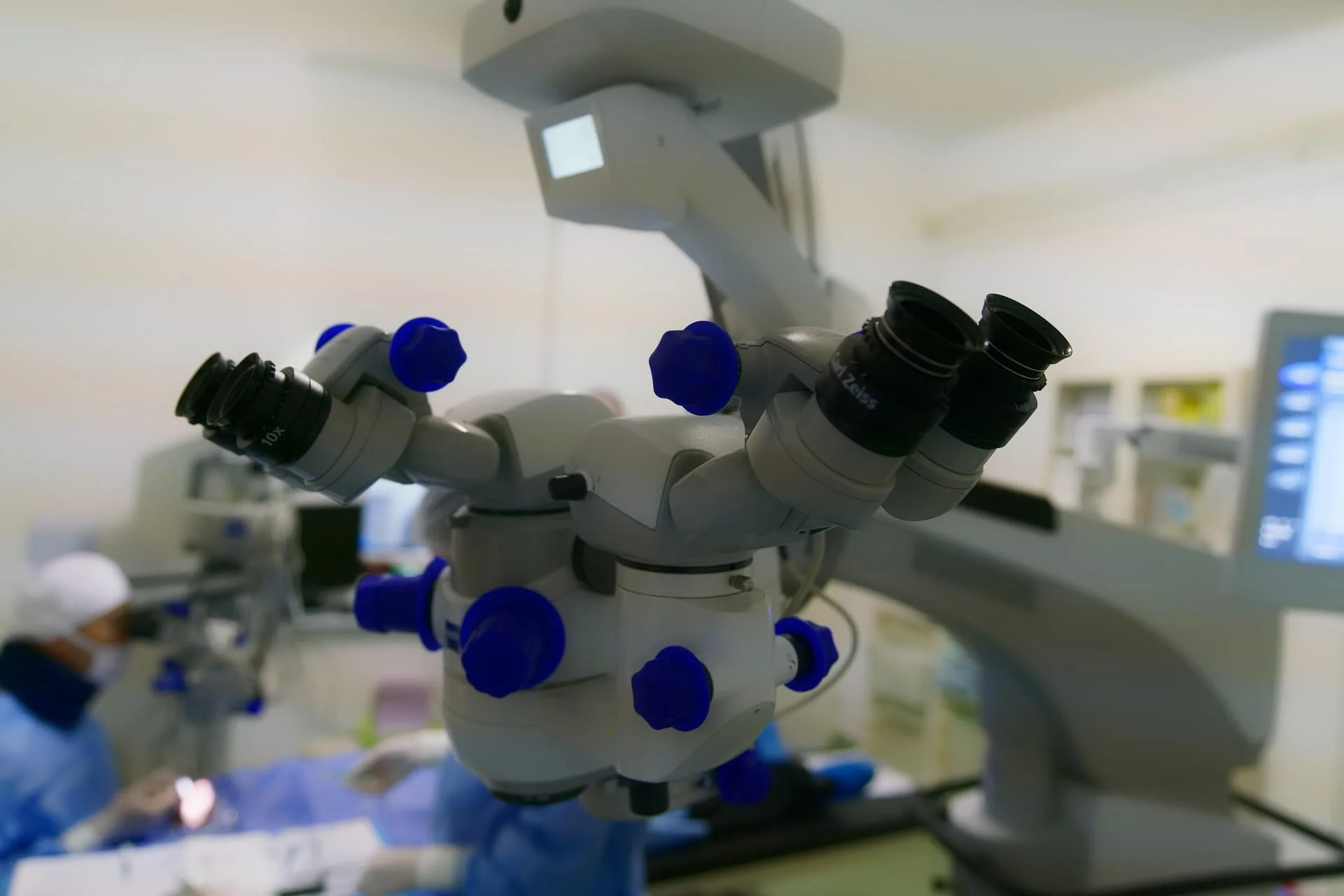
Recovery & Aftercare
Day-case surgery with minimal downtime
Most patients notice improvement in vision within days
Post-operative care includes eye drops, follow-up checks, and activity guidance
Find out more
Cataract Surgery
Untreated cataracts can gradually impair daily activities and independence. Early assessment ensures you get the right advice and timely intervention.
Why Choose Us?
Choose us and feel great about your eye health.

Trusted Local Care
Always performed by experienced ophthalmologists.
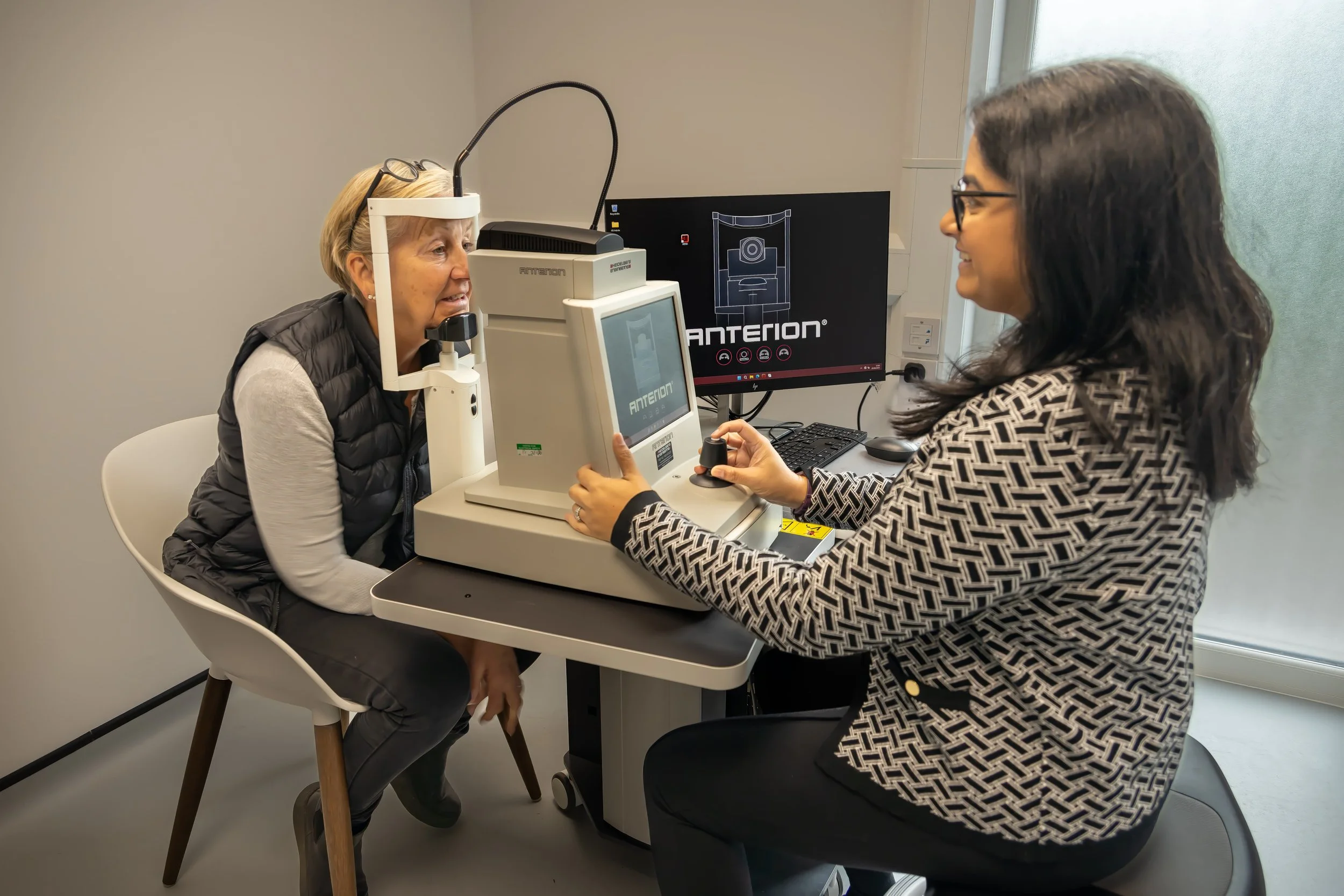
Advanced Diagnostics
Latest equipment for precise images and measurements.

Calm, Modern Clinic
Comfortable, local surgical setting.
Personalised Approach
Tailored to your vision and lifestyle needs.
Frequently Asked Questions (FAQ)
Q: What is a cataract?
A: A cataract is the clouding of the eye’s natural lens, leading to blurred vision or glare.
Q: What causes cataracts?
A: Cataracts are most commonly age-related, but can also result from eye injury, long-term medication use, or certain medical conditions.
Q: How do cataracts affect daily life?
A: Cataracts can make reading, driving, recognising faces, and seeing colours more difficult, and may increase glare at night.
Q: Can cataracts be treated without surgery?
A: Early cataracts can be monitored and vision managed with glasses. Surgery is required once vision is affected.
Q: Is cataract surgery safe?
A: Yes, cataract surgery is one of the most commonly performed and safe procedures, especially when conducted by experienced consultant ophthalmologists.
Q: What is recovery like?
A: Most patients notice improved vision within days. Post-operative care includes eye drops, follow-up appointments, and activity guidance.
Q: How do I know if I need surgery?
A: If your vision affects daily activities or your quality of life, a consultation with our specialist team will determine the appropriate timing and lens options.
Q: How do I book a consultation?
A: Contact The Eye Clinic at Kelsall Surgical Centre by phone at 01829 863 719 or via our online enquiry form.