AMD (Age-Related Macular Degeneration) Diagnosis & Treatment in Cheshire
At The Eye Clinic at Kelsall Surgical Centre, Cheshire, we provide consultant-led diagnosis, treatment, and monitoring for both dry and wet forms of AMD using the latest imaging and treatment technology.

What is Age-Related Macular Degeneration?
The macula is responsible for sharp, detailed central vision. In AMD, this area deteriorates due to ageing and other factors, leading to vision distortion or central blind spots.
AMD usually affects people over 50 and is one of the leading causes of visual loss in the UK.
You may notice:
Blurred or distorted central vision
Straight lines appearing wavy
A dark or empty spot in the centre of your vision
Difficulty reading or recognising faces
Faded colours or reduced contrast
If these symptoms appear suddenly, particularly in one eye, you should seek urgent ophthalmic assessment.
Types of AMD
Dry (atrophic) AMD
The most common form (around 80–90% of cases)
Gradual thinning of retinal tissue and pigment cells
Vision loss is usually slow and progressive
Managed through lifestyle advice, nutritional support, and monitoring
Wet (neovascular) AMD
Less common but more severe form
Abnormal blood vessels grow under the retina and leak fluid or blood
Can cause rapid and significant central vision loss
Treated with intravitreal injections (anti-VEGF therapy) and, in some cases, laser treatment

Diagnosis of AMD at The Eye Clinic at Kelsall
We use advanced retinal imaging to detect and monitor AMD. Your comprehensive assessment may include:
Optical Coherence Tomography (OCT)
Fundus photography
These technologies allow us to detect even early macular changes and guide precise treatment planning.
Treatment Options For AMD
Treatment depends on the type and stage of AMD. Your consultant will discuss the most suitable options for you, which may include:
Intravitreal anti-VEGF injections – to control abnormal blood vessel growth and prevent further vision loss in wet AMD.
Observation and monitoring
Nutritional and lifestyle support

PATIENT-FOCUSED CARE FROM START TO FINISH
Why Choose Kelsall Surgical Centre for Your Eye Health?
We are proud to be the premier choice for private eye care in the Cheshire area. Choose us and feel great about your eye health.
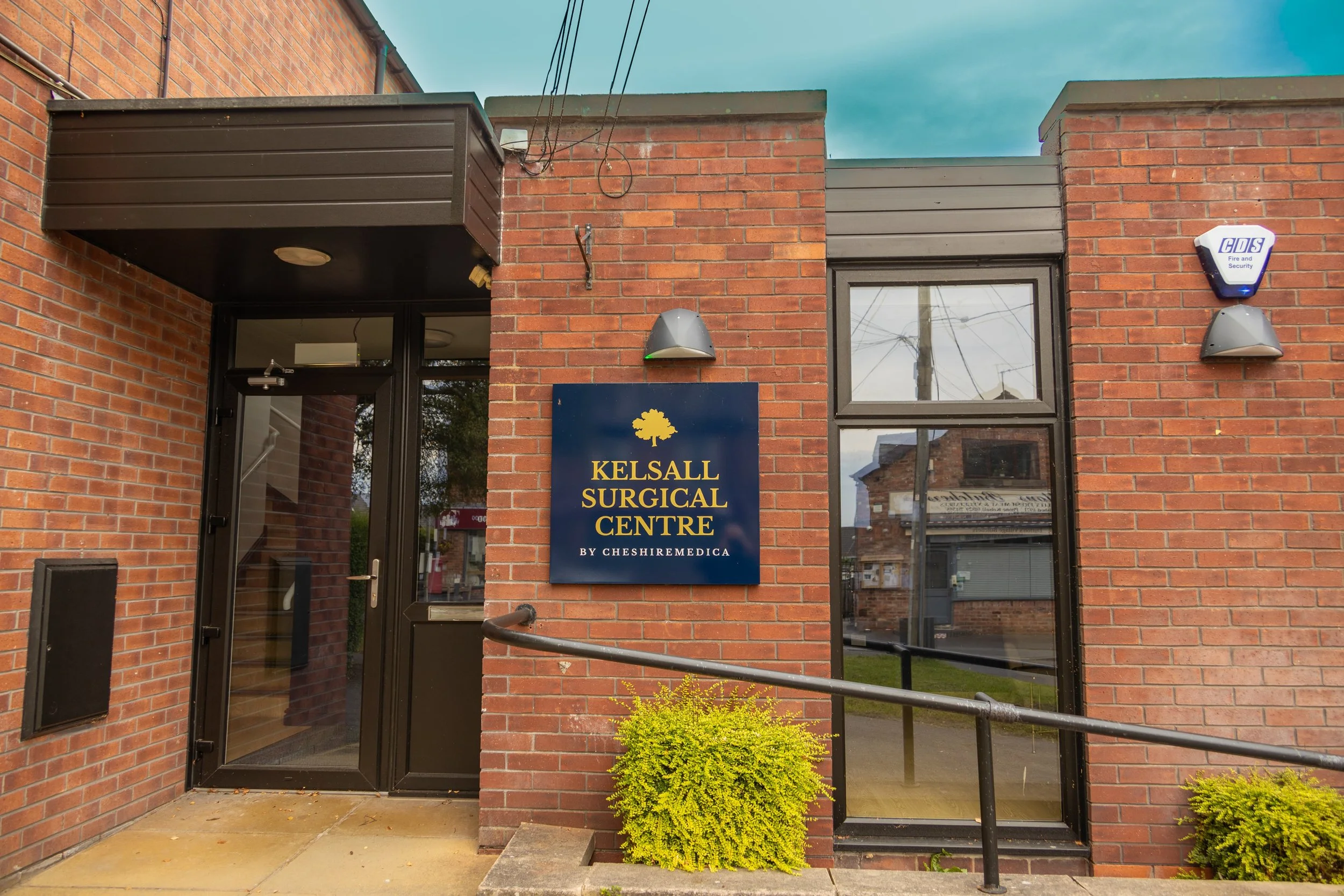
Trusted Local Care
Always performed by experienced ophthalmologists.
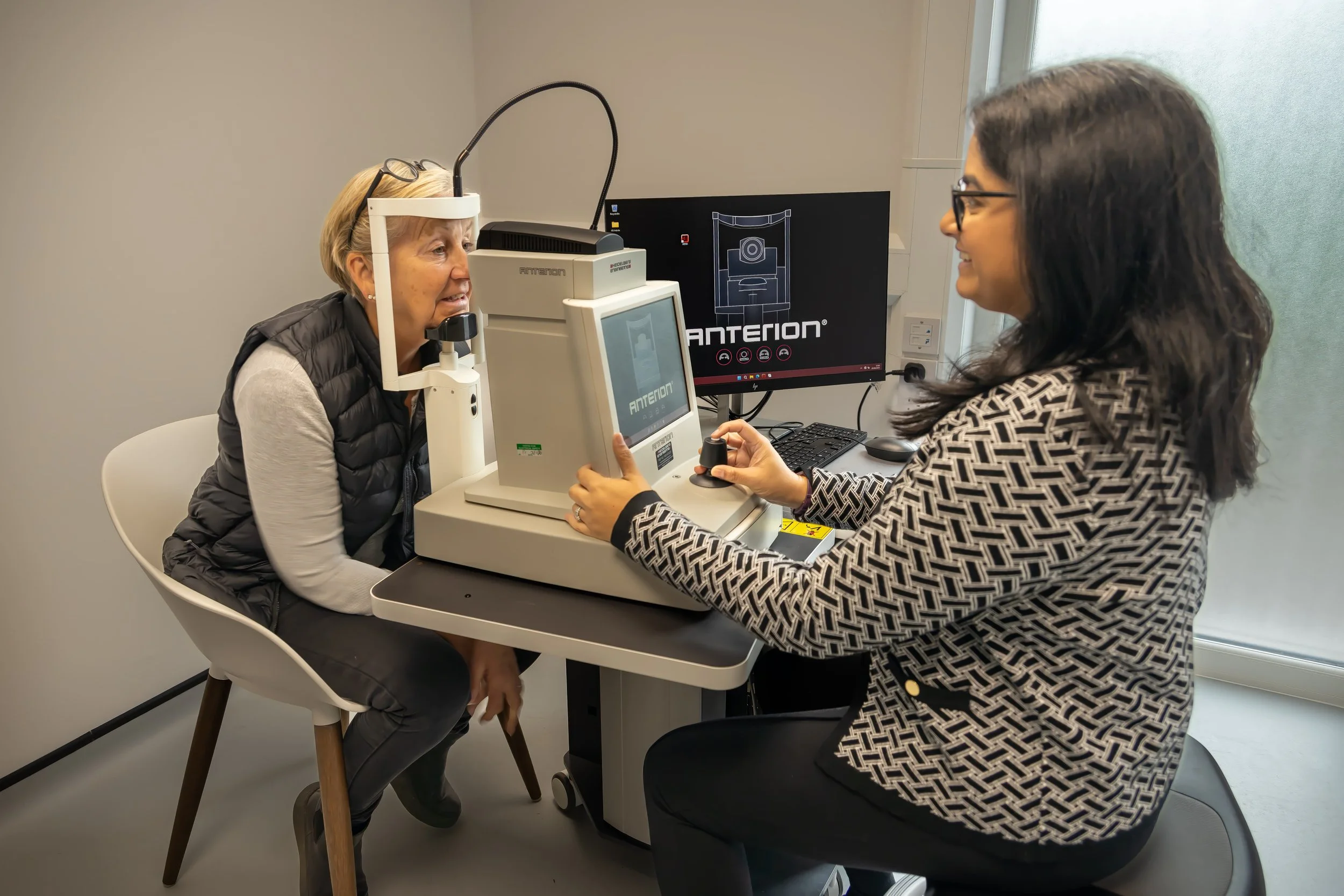
Advanced Diagnostics
Investment in cutting-edge scanning and imaging technology for the most accurate diagnosis.
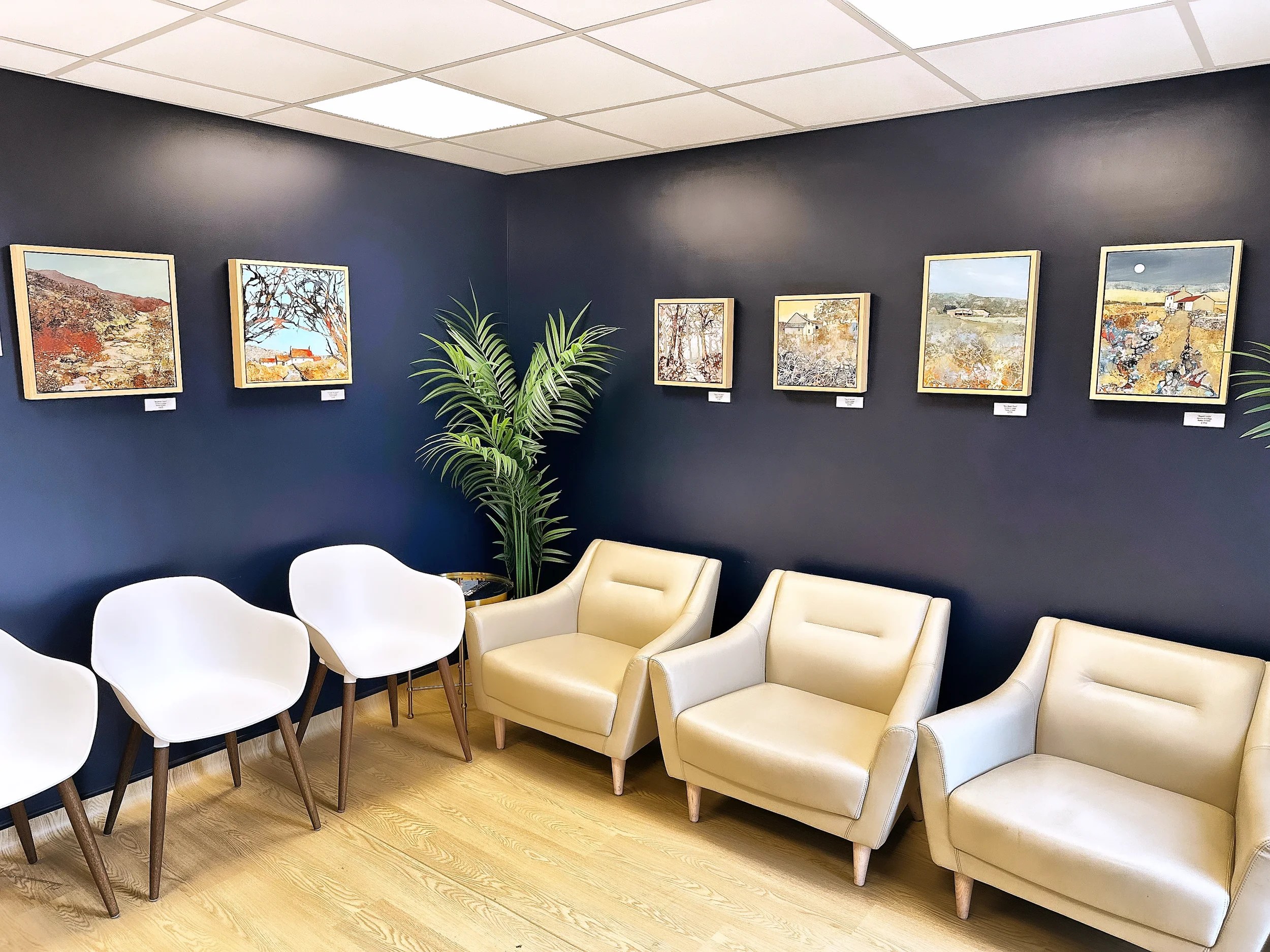
Calm, Modern Clinic
Located centrally in Kelsall, with easy access from Chester, Liverpool, Tarporley, and Northwich. Free parking available.
Personalised Approach
Consultant-led Care. All treatments are overseen by GMC-registered, experienced Consultant Ophthalmologists.
What to Expect at Your Appointment
Initial consultation – discussion of your symptoms, medical and ocular history
Comprehensive imaging – OCT scans, fundus photos, and other diagnostics
Diagnosis and explanation – your consultant will show you the scans and discuss findings
Treatment planning – if wet AMD is detected, treatment can often begin promptly
Follow-up care – ongoing review to monitor progress and adapt your plan

Frequently Asked Questions
Q: Can AMD be cured?
A: AMD cannot be completely reversed, but early detection and treatment can slow or halt its progression and, in some cases, improve vision.
Q: Are the injections painful?
A: No. They are given under local anaesthetic eye drops and are quick, with minimal discomfort.
Q: How often will I need treatment?
A: Wet AMD injections are schedule based on your response.
Q: Can I monitor my vision at home?
A: Yes. Using an Amsler grid can help detect early changes between visits. Any new distortion or blurring should be checked promptly.